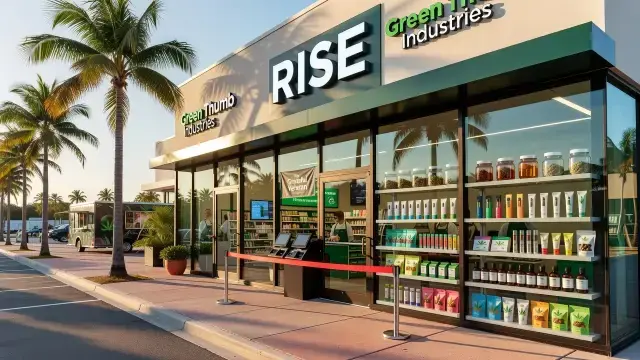
As operators and brands head into 2027 lineup planning, flavor formulation is drawing fresh scrutiny on cost sheets already strained by compressed wholesale pricing and 280E tax exposure. The instinct to trim flavor spend as a rounding error misreads what the line item actually does: it drives reorders, shelf retention, and brand loyalty in ways that rarely show up where finance teams are looking.
Why flavor gets cut first
Flavor typically runs 5 to 7 percent of a vape cart's bill of materials, a smaller slice than distillate, hardware, labor, or compliance testing. Smaller line items invite cuts because the savings are visible immediately and the downside is not. A cheaper flavor supplier shows up as a lower unit cost on the next invoice. What it doesn't show is the dispensary buyer quietly dropping the SKU from next month's menu because customers stopped asking for it by name.
That's the catch with cost-of-goods thinking applied to consumer products: it treats every input as fungible once it meets a spec sheet. Flavor isn't fungible. It's the part of the product a customer experiences directly, every pull, every session. Price and packaging get someone to try a product once. Taste decides whether they come back.
The hidden cost of batch drift
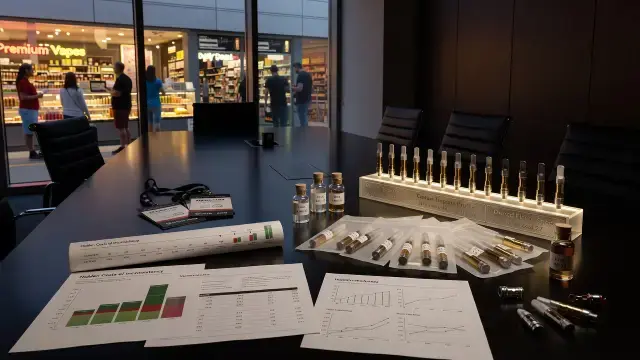
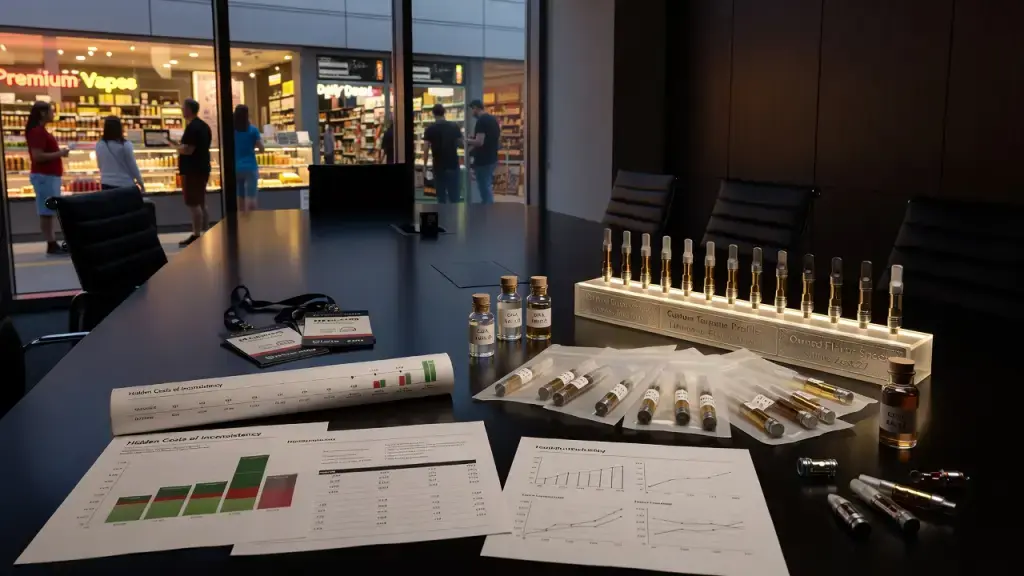
Inconsistency is where flavor economics turn against a brand quietly and then all at once. When a batch drifts from the established profile, the costs arrive in a predictable sequence, each one more expensive than the last.
- Returns: A rejected batch means absorbing the full cost of distillate, hardware, labor, and another round of lab testing and COA verification before a replacement ships.
- Missed re-buys: A customer who notices a familiar product tastes different rarely files a complaint. They just buy something else. That defection never appears on a sales report, which is exactly why it's dangerous.
- Lost shelf placement: Dispensary buyers manage limited menu slots against a long waiting list of brands. When a SKU stops moving, it gets swapped out without much investigation into why.
Winning a menu slot takes months of sampling, sales calls, and budtender education. Losing one takes a single inconsistent batch. That asymmetry is the real argument for investing in flavor stability, not just flavor taste.
Where to spend and where to experiment
Not every SKU deserves the same flavor budget. Hero products - the ones carrying brand reputation and generating steady reorders - justify custom, owned profiles with written specifications and real development time before launch. That kind of investment is hard for a competitor to copy quickly; matching a price point takes a week, matching a flavor nobody else has access to does not.
Seasonal drops and line extensions are a better place to test new flavors, since a miss there carries less risk to the core brand. But consistency still matters across the whole lineup. A cheap, drifting input eventually generates returns, lost re-buys, and lost placement that cost more than the original savings ever delivered.
Questions worth asking before signing a flavor supplier
Brands evaluating flavor and terpene suppliers, including at trade events like MJBizCon, should push past the polished spec sheet. Three questions separate a reliable supplier from a risky one: Can they produce documentation from an actual production batch, not just a lab-ideal sample? What is their process when a batch drifts from spec, and how quickly do they disclose it? And if a profile is developed jointly, who legally owns it afterward?
None of this guarantees a flavor will land with consumers. But it does protect against the quieter risk - a product that tastes close enough on the first batch and noticeably different on the fifth, with the brand finding out only after the reorders stop coming and the shelf space is gone.