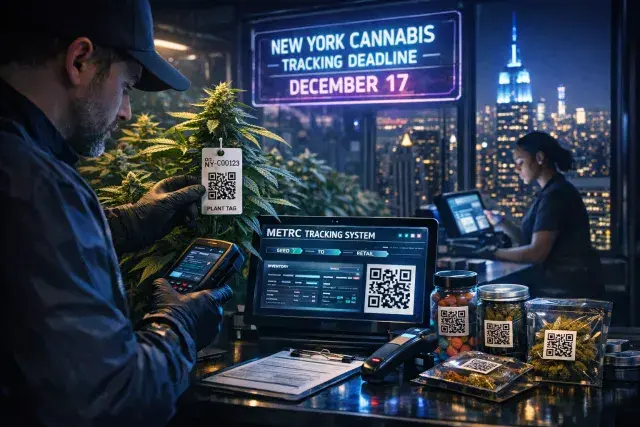
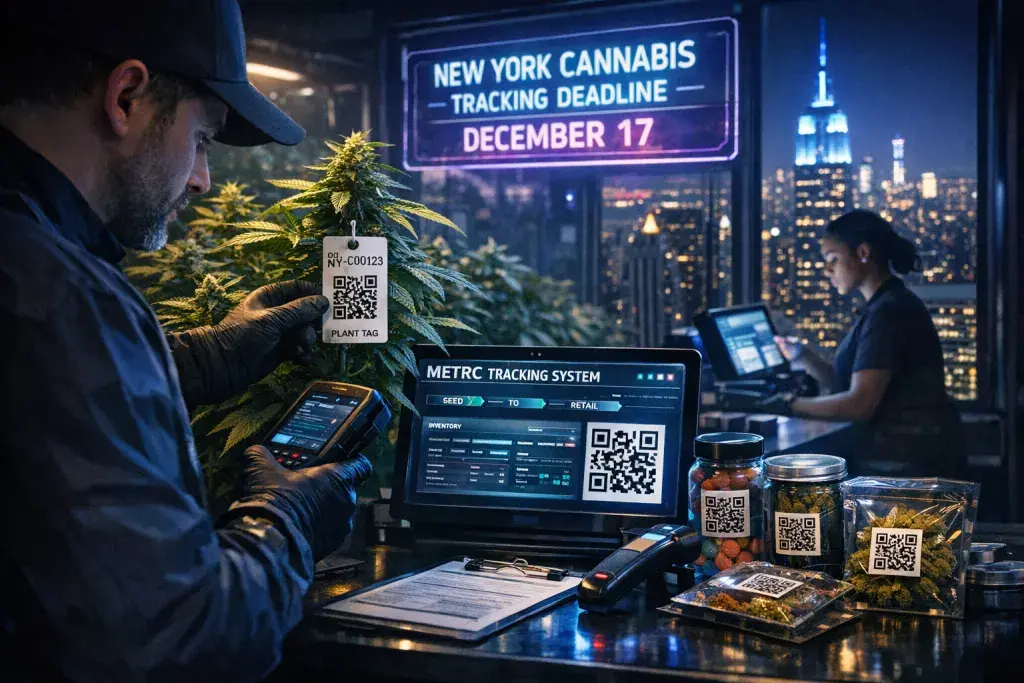
New York's Office of Cannabis Management requires all licensed cannabis businesses to register with Metrc's seed-to-sale tracking system by December 17. This digital system assigns unique QR codes to plants and products, creating a verifiable chain from cultivation to retail shelves. The mandate aims to bolster consumer safety, curb illegal diversion, and enforce testing standards across the state's maturing legal market.
System Mechanics and Immediate Compliance Steps
Businesses that handle cannabis—growers, processors, labs, and retailers—must complete Metrc's online training and obtain login credentials by the deadline. Growers attach unique tags to individual plants, while packages receive a Package UID and retail items get a Retail Item ID with QR codes. Current inventories demand entry by December 17 for most operators, though retailers gain until January 12 to accommodate holiday demands; new shipments after December 17 require logging before sale.
Cost Relief and Phased Rollout
Tags cost $0.10 each, but the state provides a one-time free supply: 2,500 plant tags for cultivators, 750 package tags for distributors, and 750 item tags for microbusinesses. Processors and distributors must apply QR codes to products like gummies or vapes starting Wednesday, with full distributor-to-retail compliance by February 28. Retailers may sell pre-existing uncoded stock until then, easing the transition for legacy inventory.
Safety Testing and Market Transparency
By March 31, all shelf products must carry digital proof of passing safety tests, with each item in multi-packs tested separately before packaging. Labs can now report minor cannabinoids alongside THC and CBD, offering consumers detailed chemical profiles. Businesses verify prior tests digitally without resubmitting samples, while bulk containers cannot exceed 100 pounds per Package UID tag, ensuring granular tracking.
Broader Regulatory Controls
Licenses for multi-site operators include suffixes like C1 for cultivation sites or D1 for dispensaries, allowing regulators to trace batches precisely. New plant genetics post-deadline require special approval to block illicit strains. These measures build on New York's push for a regulated market since adult-use legalization in 2021, addressing black-market persistence and prioritizing public health through verifiable supply chains.