Michigan's cannabis industry has spent the better part of three years chasing a demand problem that may not be a demand problem at all. Wholesale prices have collapsed, margins have thinned to almost nothing, and the standard fix proposed by operators and trade groups alike has been to shrink supply - fewer grows, fewer SKUs, more consolidation. But new federal survey data and University of Michigan polling point to a different possibility: the state's cannabis market hasn't found all its customers yet, and a meaningful chunk of them are old enough to remember when marijuana was something you bought from a guy, not a budtender.
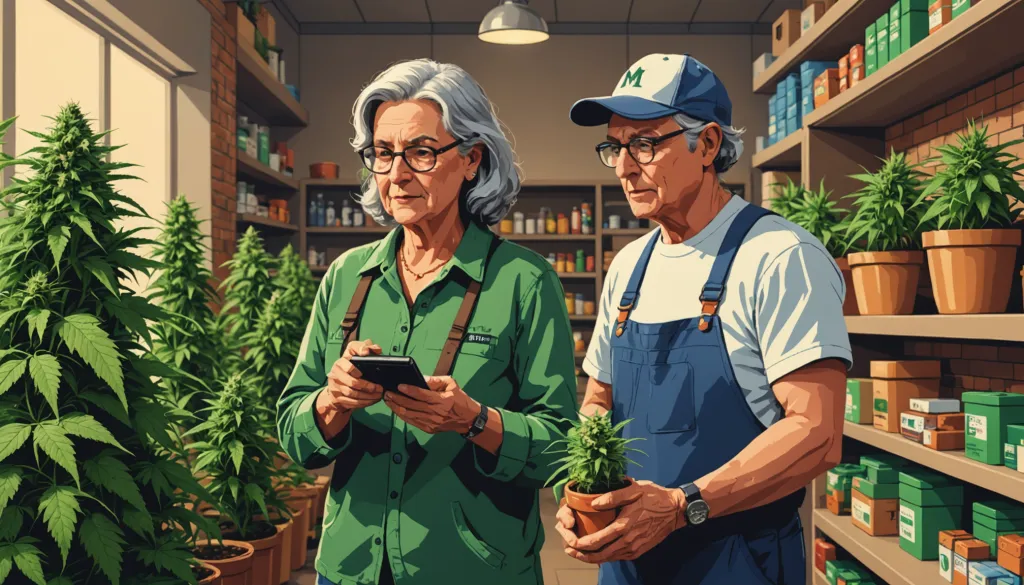
Nearly 22 percent of Americans ages 55 to 65 reported using cannabis in the past year, according to the Monitoring the Future survey - the highest figure the study has ever recorded for that age group. Applying national Baby Boomer spending patterns to Michigan's roughly $3.17 billion in 2025 cannabis sales suggests a Boomer market approaching $400 million a year in that state alone, with Ohio adding another $100 million or so on top. For dispensary operators trying to figure out how to actually serve this cohort - many of whom haven't set foot in a retail cannabis store, don't know what a terpene is, and would rather book an appointment than browse a crowded sales floor - tools like dispensasry scheduling software could matter as much as any new product line, since older customers often want a calmer, more guided visit than a Friday-night rush allows.
Why Older Consumers Buy Differently
The University of Michigan's National Poll on Healthy Aging found that older cannabis consumers aren't chasing the highest-THC flower on the shelf. Relaxation, sleep, and pain relief topped their reasons for use, with a sizable share also citing mental health or mood. That's a different customer than the one most Michigan dispensaries have spent years building menus around. It suggests demand for lower-dose edibles, tinctures, topicals, and balanced THC-CBD ratios - categories that require more explanation and less flash. In a market where wholesale pricing has been driven down by oversupply, a customer willing to pay for guidance rather than just potency could be worth cultivating.
The Compliance and Safety Dimension
There's a real education gap here, and it cuts both ways. Eighty-three percent of Michigan adults 50 and older agreed that today's cannabis is stronger than what circulated decades ago, according to the same University of Michigan polling - yet 21 percent of older consumers admitted to driving within two hours of using cannabis, and more than a third who use it monthly had never discussed that use with a health care provider. That's a liability conversation dispensaries can't ignore. Retailers marketing toward this demographic need to stay well inside advertising rules that already restrict health claims, and budtenders need training that goes beyond potency talk - drug interactions, dosing caution, and honest product education matter more with a customer base more likely to be on prescription medication.
What This Means for Operators
None of this solves Michigan's oversupply problem overnight. But it reframes the conversation. Instead of only cutting production or waiting on interstate commerce that depends on federal rescheduling, operators have a plausible path to new revenue sitting in plain sight - provided they're willing to build the retail experience, product mix, and staff training this customer actually wants. Ohio's younger recreational market, still developing since sales began in 2024, gives operators there a chance to build those habits early rather than retrofit them later. The demographic math is favorable. Whether the industry adjusts its shelves, service model, and compliance posture to meet it is a separate question entirely.