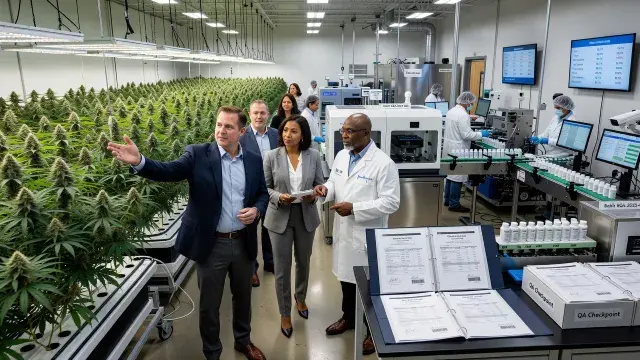
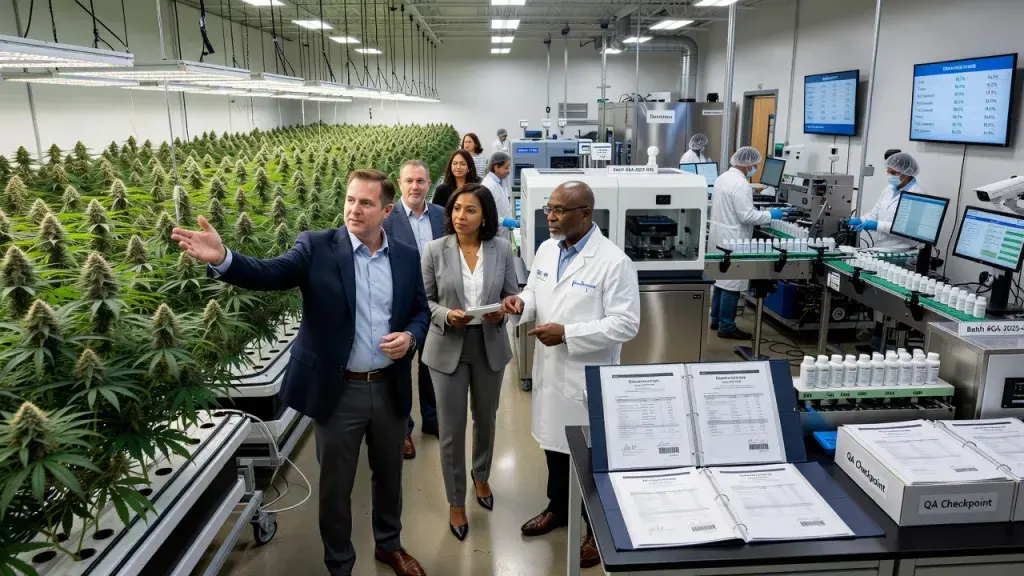
A decade after Georgia legalized medical cannabis, the program remains narrow, and the legislature keeps stalling on bills meant to widen it. In Macon-Bibb, one of the state's three licensed medical cannabis operators decided the fastest way to move the needle wasn't another hearing room speech - it was a facility tour.
Fine Fettle, which grows, manufactures, and distributes cannabis products to dispensaries under Georgia's tightly capped medical program, brought lawmakers, physicians, and patients through its Macon operation. Judson Hill, the company's market president, framed the visit as an education play: let legislators see the cultivation rooms, the manufacturing lines, and the compliance logs firsthand rather than debate the program in the abstract. That kind of operational transparency matters in a market where vertical integration - one license holder handling cultivation, manufacturing, and distribution - is the rule rather than the exception, unlike states where operators lean on retail-side platforms such as the best dispensary software ohio operators use to manage seed-to-sale tracking and dispensary inventory across separate license types.
State Representative Anissa Jones, who joined the tour, said the visit clarified something lawmakers often get wrong about medical cannabis production: it isn't loosely regulated. "It's just not folks out there just growing stuff wild in nature," she said, noting the value of seeing consistent batch production up close. That distinction - controlled, repeatable manufacturing versus an unregulated crop - is exactly the argument operators need lawmakers to internalize if expansion bills are ever going to clear both chambers.
Why the Bills Keep Stalling
Senate Bill 220 and House Bill 227, the most recent legislative attempts to expand Georgia's medical cannabis program, both stalled this session. Each would have eased access to medical cannabis cards and updated allowable product forms, changes aimed at giving patients more effective options than the current program permits. For operators, stalled legislation isn't just a policy disappointment; it's a business constraint. A capped license structure with only three cultivators and a narrow product list limits wholesale menus, restricts SKU variety at dispensaries, and caps the addressable patient population that pharmacies and clinics can actually serve.
The Clinical Gap Operators Point To
Dr. Elmore Alexander, who has raised concerns about the pace of expansion, put a rough figure on the clinical shortfall: existing products treat most patients adequately, he said, but a smaller, harder-to-reach population needs formulations the state doesn't yet allow. "We need additional products. We need more choices," Alexander said. That's a compliance and product-development problem as much as a medical one - expanding allowable forms means new manufacturing processes, new lab testing protocols, and new COA requirements before anything reaches a dispensary shelf.
What Expansion Would Actually Require
Widening Georgia's program isn't a simple vote-and-done fix. It would touch several operational layers at once:
- Updated manufacturing licenses to produce new product forms beyond current limits
- Expanded lab testing and COA standards to validate new formulations
- Streamlined card issuance processes to reduce patient access friction
- Potential adjustments to license caps if patient demand outpaces three operators
None of that happens quickly, and Georgia's legislature has shown little urgency. For now, operators like Fine Fettle are betting that direct exposure - walking lawmakers through compliant packaging lines and controlled grow rooms - does more to shift votes than another round of testimony ever could.